Life Without Plot
A letter from Kamakura, about presence, friendship, and creative rhythm
Arrival
Last week I travelled to Kamakura, a coastal city just south of Tokyo. I was there to visit my longtime friend and creative collaborator, Cody Ellingham. Over the years our lives have tended to orbit around one another. We met in Tokyo almost a decade ago and quickly formed a bond rooted in creating beautiful things together. Websites, photography projects, records, podcasts and lots and lots of stories.
After years apart — Cody in New Zealand, me in the UK — we both found ourselves back in Japan. So I travelled to visit him, with no real goal beyond spending time together and reflecting on what it means to live and make things with care.
Whilst I was there I also spent time honouring one of my big inspirations — Ozu Yasujirō — whose grave lies in Kamakura.
Who Was Ozu?
Ozu Yasujirō was a filmmaker who created some of the most enduring works in Japanese cinema. His films are most often described as slow, but that’s kind of missing the point. Ozu didn’t chase narrative urgency or dramatic tension. He captured the beauty of daily life with a certain stillness, balance, and a precise sense of rhythm and texture.
The camera almost never moves in his movies. He almost always shot from a low angle using a fixed 50mm lens and this created the flattened frames that he became known for. His compositions were static, with one or two recognisable elements that glued his scenes together. His edits, restrained.
In Ozu’s world, time was something to be honoured rather than manipulated.
People would say his films are slow. But he would argue that life is slow.
He also always wrote in tandem with his scriptwriter and good friend Noda Kōgo. During their time together, Ozu and Noda crafted a unique filmmaking workflow that has had a lasting impact. They took inspiration from and shaped a shared routine full of hours of deep work, reflective conversations, long walks, and plenty of sake. A famous story is that the top corner of each page of their scripts was marked by the number of sake bottle that they were up to whilst writing that page.
Orbiting Cody
This trip made me reflect on the creative trust that forms between people who make things together over time. Cody and I have never needed to explain much. There’s a shared language built through long walks, diverse conversations, and meaningful projects scattered across years.
We don’t rush into work. We circle around it. We take long pauses. Sometimes the best things we’ve made have come from being apart, not from sitting in a room together. This trip was about staying connected to the kind of life that allows work to surface naturally.
The Texture of Kamakura
There are no big moments to report from my time in Kamakura. Only impressions and textures.
- We visited Tsurugaoka Hachimangū in the early morning, to see the custodians gently sweeping fallen leaves from the gravel with their bamboo brooms.
- We wandered, sometimes silently, through the back alleys, listening to the call of the uguisu, a bush warbler whose song rises like a whistle being tuned in the air.
- We walked barefoot along the beach and found fragments of pottery scattered among the shells. Blue and white pieces, edges worn down by the tides of time.
- We kept our phones off of the table. Out of sight. Out of mind.
- We took photos on an old disposable camera.
- We had deep meaningful conversations on a huge variety of topics.
None of it felt curated. Nothing was urgent.
The Showa Lens
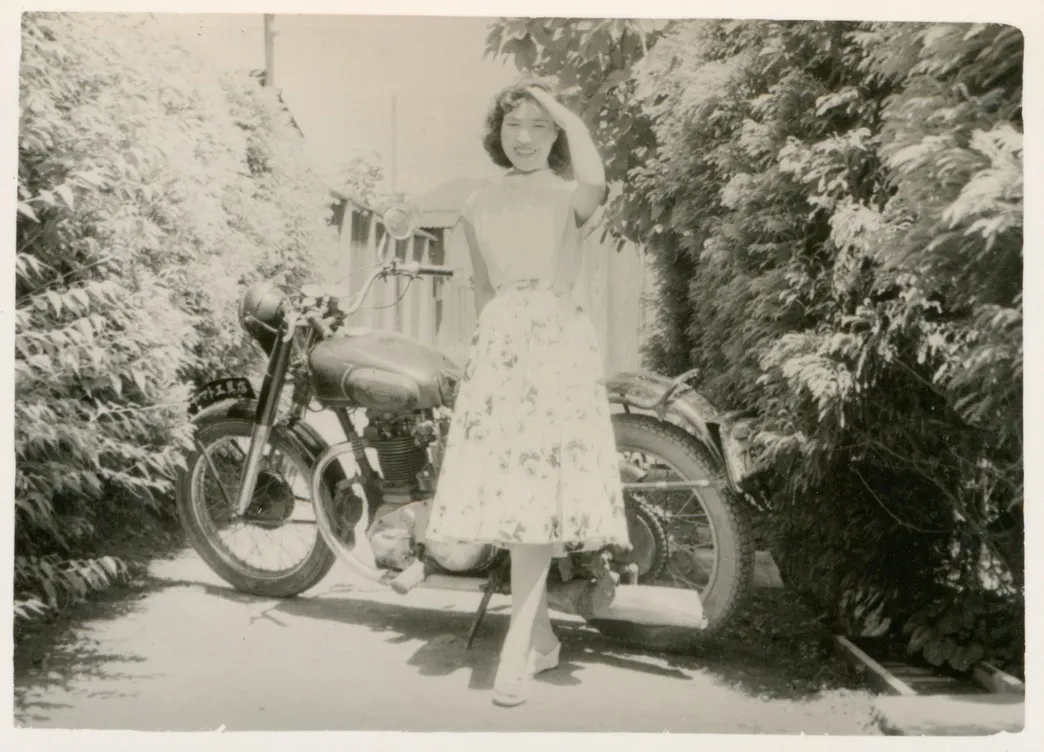
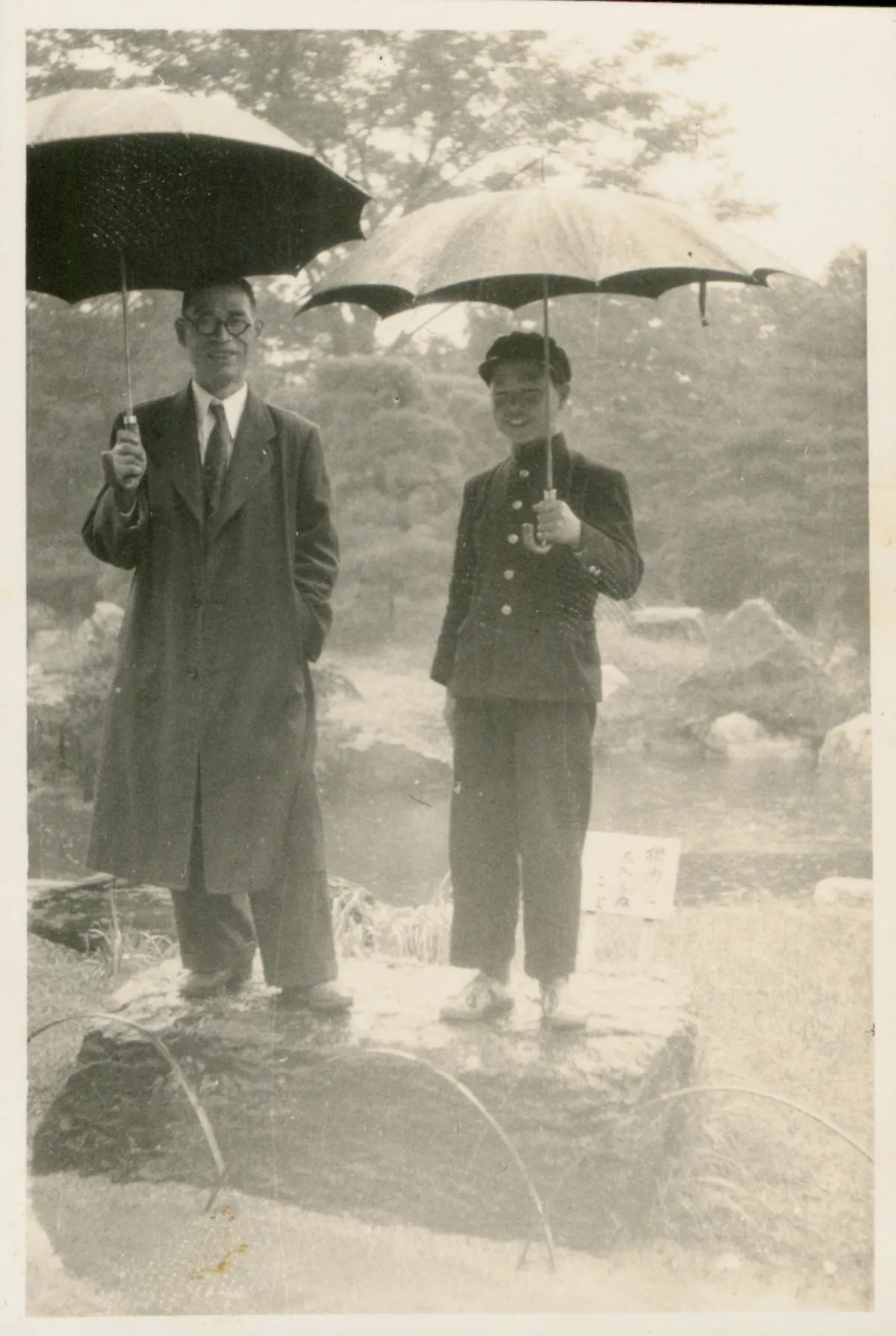
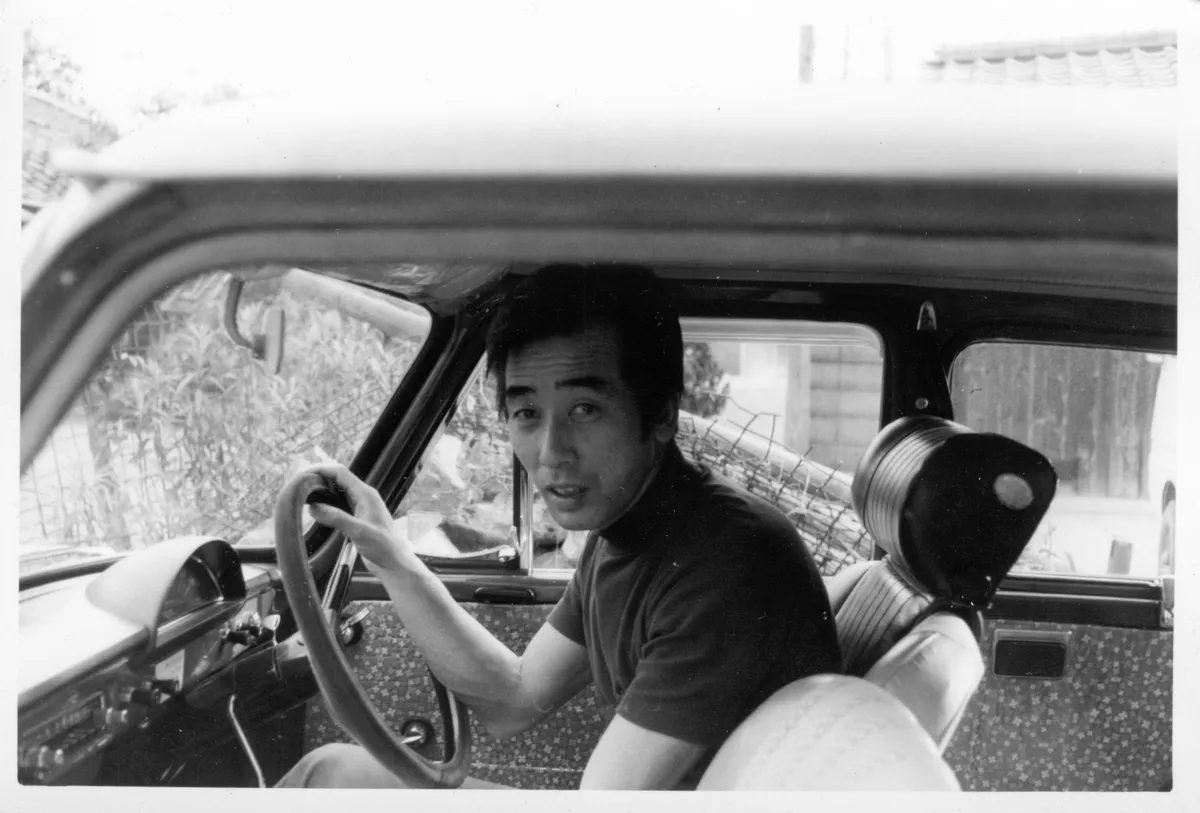
A few days before this trip, my wife and I visited her grandmother. We sat around the table drinking coffee and looking through old photo albums. Portraits from the Showa era (1926 ~ 1989), many of the photos were taken around the same time that Ozu was making his films. There was something familiar in them. The warm shine of a smile. The fading of the light and colours. Expressions that seemed paused in thought rather than posed.
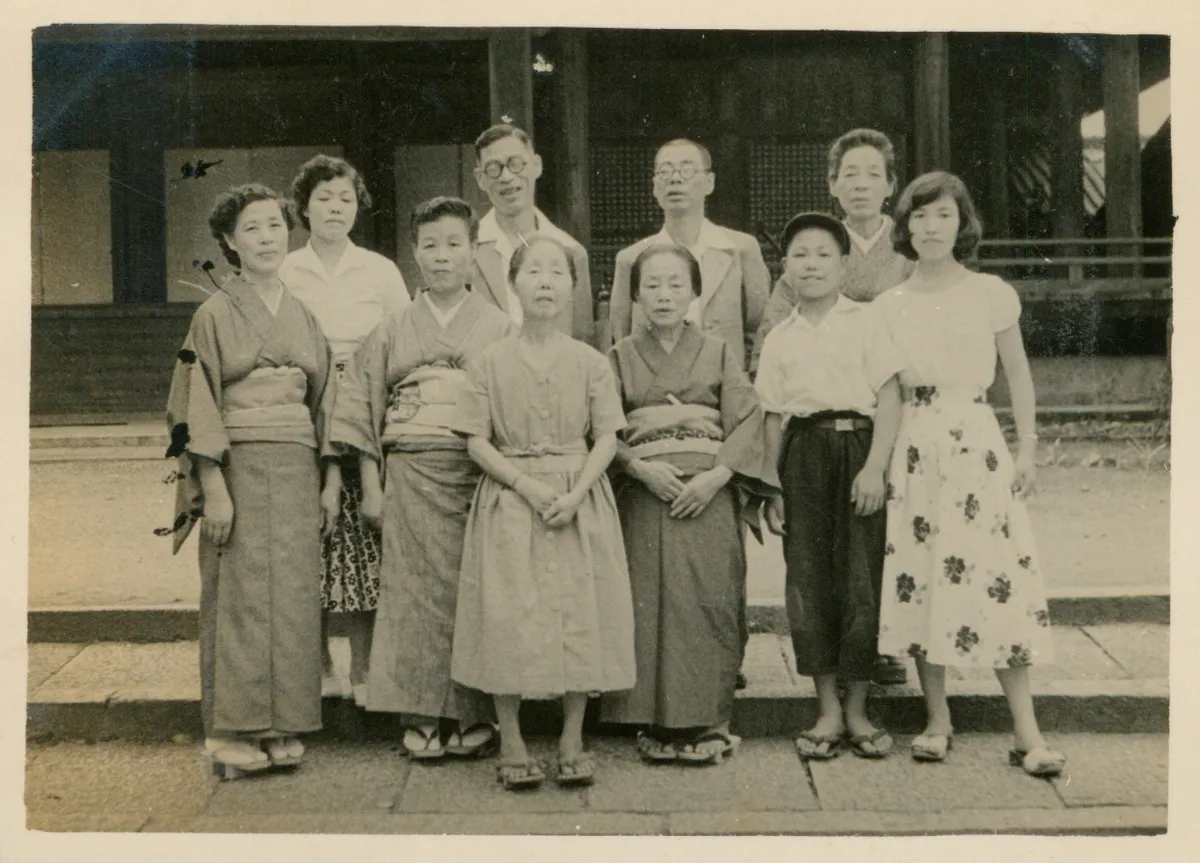
Ozu believed in the beauty of simplicity. In those photos, I saw it. With his films it feels like he's trying to portray ordinary moments, ordinary lives. Because that is where beauty lies.
The Grave
Of course I couldn't travel to Kamakura and not pay a visit to Ozu’s grave. A simple black stone marked on the front with the single Japanese character 無 (mu), most often translated as “nothingness.”
I stood for a few minutes not saying much. A thank you, without words. The wind blew through the trees fiercely. Possibly a reply.
As I stood in front of his grave, I thought about how Ozu ended his films. Rarely with any clear sense of a resolution, but with a return to nothingness. A room emptied after guests have left. A kettle cooling. A hallway with no one in it.
“Life has no plot, only presence. And that is enough.”
To Begin With Ozu
If this letter stirs something and you’ve never watched his films, I’d recommend starting with Tokyo Story — and then follow that up with Tokyo-Ga; Wim Wenders’ fantastic tribute to Ozu and to the everyday life he so carefully preserved.
These aren’t just films. They are invitations to see the beauty all around us.
Thank you for reading. If this letter resonates with you and you’d like to support my work here in Kyoto, please explore my music on Bandcamp.
🍃 SJF
Thank you for reading. If something here struck a chord, reply by email — I read every one, and it's the closest this little site has to a comments section. You can also follow along by RSS.