Six Months of Listening to Kyoto
An exercise in choosing not to photograph a city, but listen to it.
The evenings here in Kyoto have grown quieter now.
No cicadas. No higurashi marking the end of summer. Just the occasional car on the main road a few blocks away, the rustle of curtains in the October breeze, the quiet voices of neighbours settling in for the night. This in-between season sounds incredibly different from the roar of summer.
Six months ago, I don’t think I would have noticed this subtle shift though.
When I moved to Kyoto and started writing weekly letters and started writing weekly letters on Substack, I wasn’t sure what form it would take really. I wrote mostly about uprooting my life from London and about seeing this city through an outsider’s eyes. But my background in sound kept pulling me towards listening to this city in a way that most people don’t.
Now approaching six months here, and having just moved into our new place, I felt compelled to write a letter to reflect a little on what deep listening has revealed about Kyoto and about attention itself. A small bridge before the next six months begins.
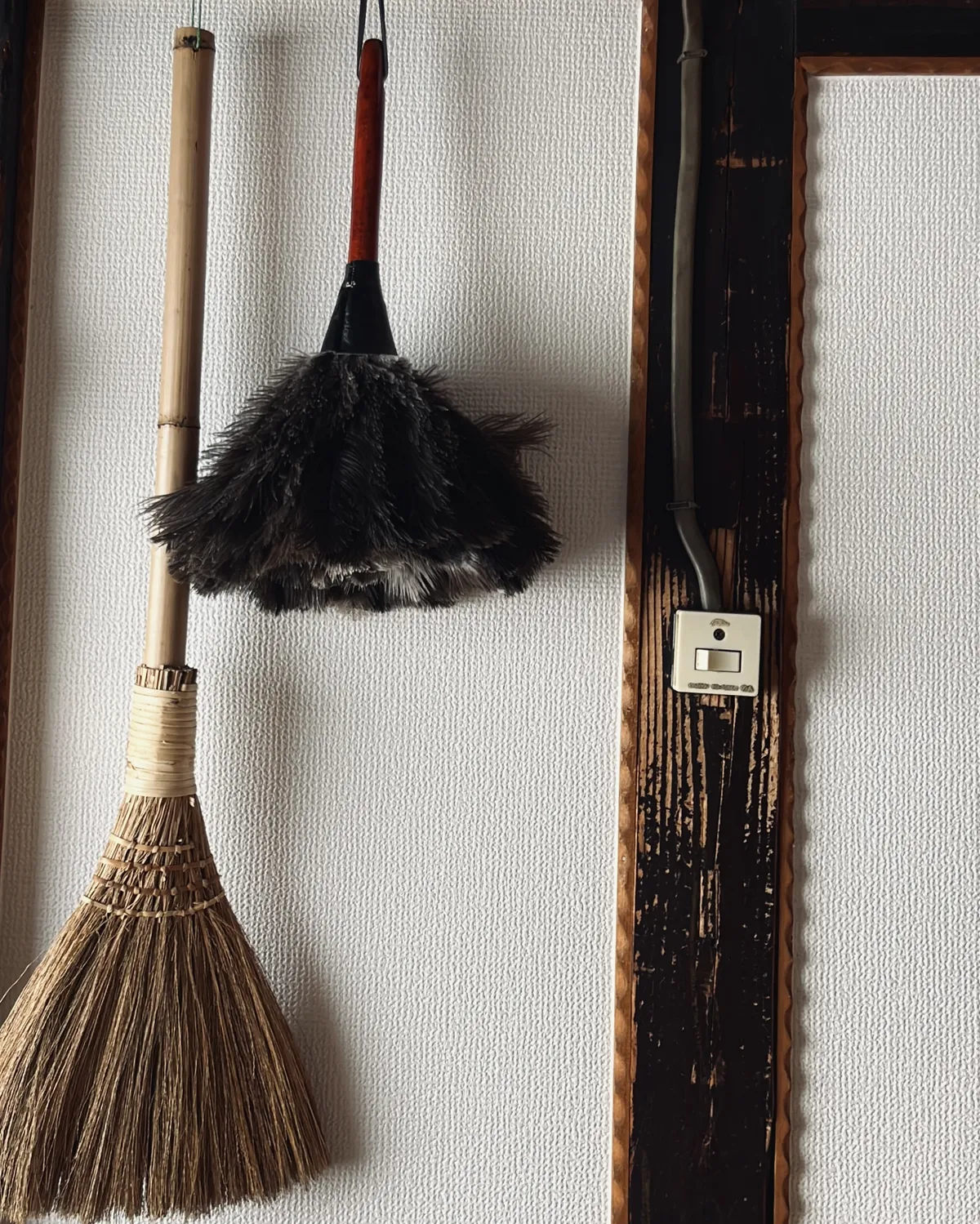
We’re still unpacking a bunch of boxes, but this is a nice corner that I can share.
Three Sounds That Have Changed How I Hear This City
The Builders of Gion Matsuri
Most people clamour to get the perfect photograph of the hoko—those towering portable shrines that parade through the streets during the Gion Matsuri, a local festival, in July. People flock to the city early in the morning to make sure they get the best spot to photograph the ornate displays, the festival spectacle. But instead, I went hunting for sound of the hoko being made.
Midday in central Kyoto. It was a powerful thirty-six-degree heat. I stood in the blazing sun admiring the workers climb all over the three-storey wooden constructions they were building by hand without the use of nails. The sound: hammers striking wood, builders calling to each other, the buzz of the city continuing around them. Sweat dripped down my back as I held the recorder, I could only imagine how hot they were.
It gave me immense respect for what happens before anyone sees the final result. The craft and tradition that continues year after year.
It was this collection of sounds that most felt like Kyoto to me ↓
Tourists photograph Kyoto. They’re all trying to capture the ‘perfect’ shot. I’m trying to remember it differently.
The Alive Sounds of a Shōtengai
I fell hard for Demachiyanagi Shōtengai—a covered shopping street in the North-East of the city—the first time I visited. Mostly because of how alive it sounds.
Around lunchtime, this place erupts with the sound of daily life being lived. Bicycle bells. Laughter spilling from shopfronts. Conversation snippets in Kansai-ben, the local dialect. The rhythmic beep-beep-beep of supermarket tills. Shutters rolling up. An older resident greeting her neighbour.
I found this place by chance whilst exploring potential routes for sound walks. Most people might experience a busy shopping street as one sound—just noise. But practise a bit of deep listening and it soon dissects itself. Each sound reveals the community a little bit more.
This is what Liz called “life-affirming sounds” in episode three of the Kyoto, in Sound podcast. The sounds tourists never think to notice, but which residents live with every day ↓
The First Higurashi
The heat of summer had pushed down on Kyoto for months. Then one evening—slightly cooler than those that had come before—I heard it. One higurashi cicada. The first one of the approaching season.
I was at home when its distinctive chirp drifted in through the open window. I lunged for my phone. My proper recorder sat in another room, but I didn’t want to risk missing this. I recorded the sound hastily from the bedroom window, grinning.
That single sound told me that autumn, and thus respite from the heat, was coming. The temperature hadn’t shifted much. The calendar didn’t care. This sound was the proverbial canary in the coal-mine (although a sign of good things to come!).
Most people simply feel relief when summer’s oppressive heat finally breaks. For me, I’ve come to appreciate how the sounds also change—that’s what fascinates me. Chie, in episode two of the podcast opened my ears to this one ↓
A Few Notes on What I Didn’t Expect
Silence isn’t all that silent.
Even in the quietest temple gardens, I’ve found that there’s always something to listen to. Leaves rustling. Footsteps on centuries-old wood, causing it to creak. The clip, clip, clipping of a monk tending to the garden with their secateurs, and the hiss of a kettle boiling for a cup of tea. I’ve noticed that true silence doesn’t really exist, even here.
Deep listening changed how I see.
By paying attention to sound, I’ve also learnt to slow down and look closer. To dwell a little in each moment rather than rushing through.
This surprised me the most. Practising attention to sounds in this city has taught me to notice more of what’s around me as well. I started to pay more attention to the shadows on temple walls and became fascinated with the miniature gardens outside a neighbour’s front door. The beauty of hand-painted shop signs and the fallen camellia petals collecting beneath the tree are what grab my attention now.
I used to avoid the sound of gravel.
When I first started recording in temples, I’d walk lightly, trying not to let my footsteps crunch too loudly on the gravel paths. I thought of it as unwanted noise interfering with whatever “real” sound I was trying to record.
But now I lean into it. I appreciate it as one of the unique sounds that can be found here. I watch the same realisation happen with people who join me on my sound walks. They tiptoe at first, apologetic. Then they hear the recording played back and their faces change. “Oh. That’s lovely.”
The Doubt I Still Carry Whilst Posting Every Week
Can I make this interesting enough?
That question follows me with every letter here on my blog. It’s part of why I created the podcast with a focus on other people’s voices—I wanted to hear what resonates with Kyoto’s residents rather than solely broadcasting my own observations. I wanted diverse voices sharing the sounds that matter to them.
But what keeps me going is that there are a handful of people who this does resonate with. A bunch of people who’ve written to say that reading about deep listening made them pause during their commute or their dog walk, close their eyes, and appreciate the sounds around them. That’s enough.
What You Can Hear Right Now
You don’t need to be in Kyoto to practise deep listening of course. You can start where you are.
Right now, I hear: the air filter buzzing, traffic from the main road a block away, the curtain moving in the breeze, my fingers on the keyboard, rain just beginning to fall. Earlier: the neighbours’ sliding door opening, birds cooing, children playing in the street, the postman’s electric bike whirring past.
Try counting the sounds around you. Notice them without judgement and without filtering. It’s remarkable how much we can hear when we stop to listen.
The Sound I’m Looking Forward To
More than the crunch of autumn leaves on the ground, it’s the soft build-up of snowfall as it blankets this city that I look forward to most.
I haven’t heard it yet. But when the first snow comes, I’ll be out there, listening to the silence of winter descend on this city. The next six months hold sounds I can only imagine but I’ll be here, paying attention.
If you’d like to discover your own sound memories of Kyoto, join me on a sound walk this November. We’ll practise deep listening together, and you’ll leave with a three-to-four-minute ‘audio postcard’ of your experience.
Book in at kyotoinsound.com.
Every city has a unique voice. Most of us are just far too busy to hear it.
Thank you for being here, and for noticing with me.
🍃 SJF
Thank you for reading. If something here struck a chord, reply by email — I read every one, and it's the closest this little site has to a comments section. You can also follow along by RSS.